Yellow Dragon Millipede
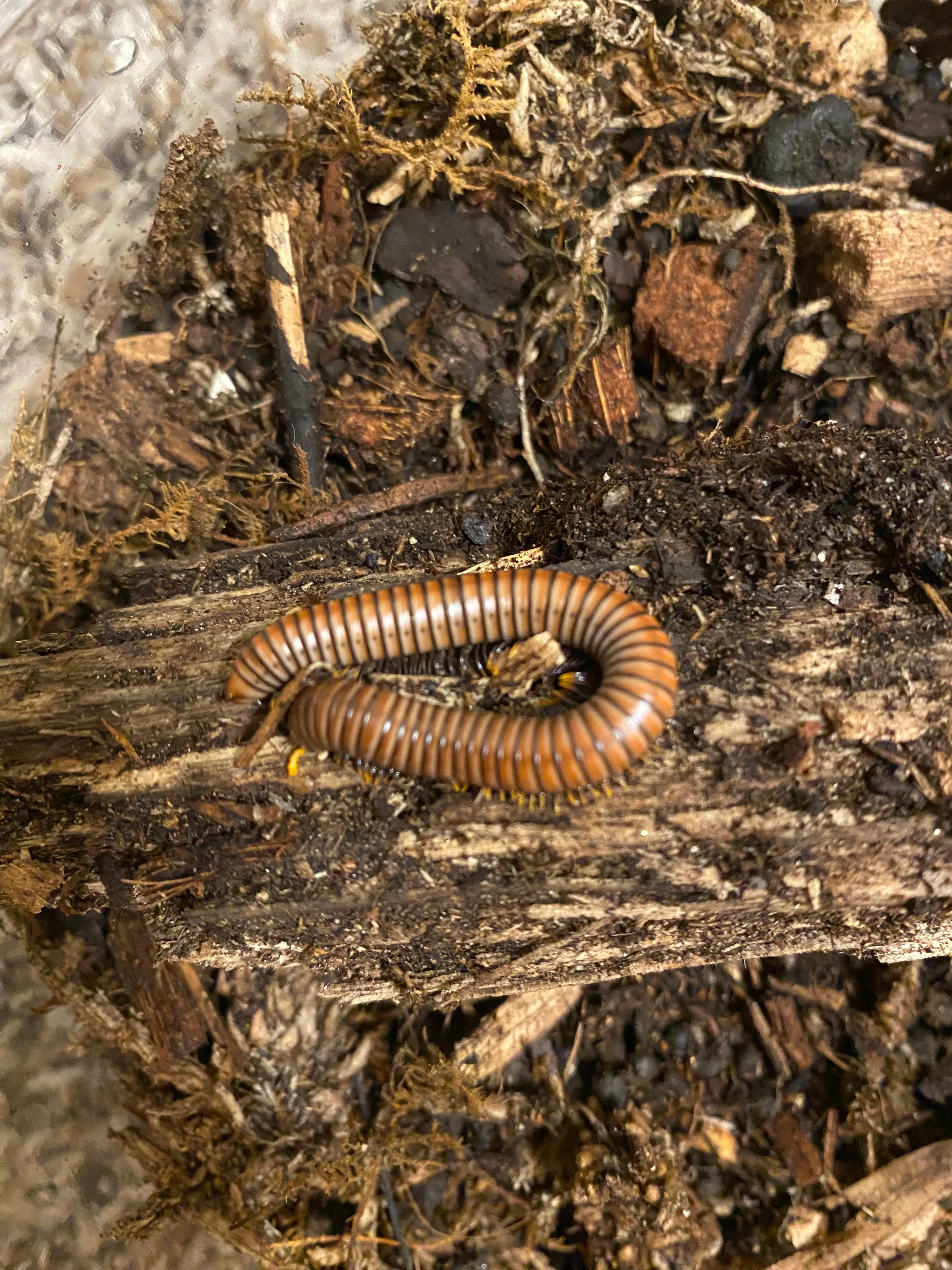
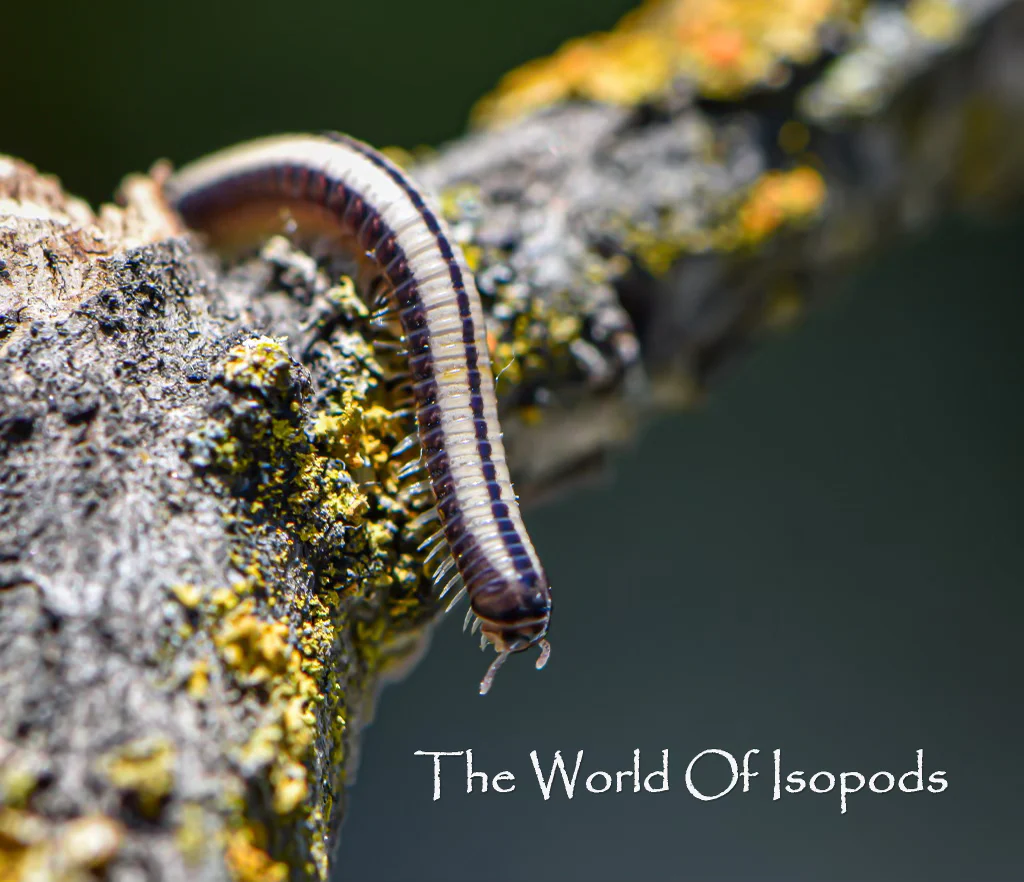
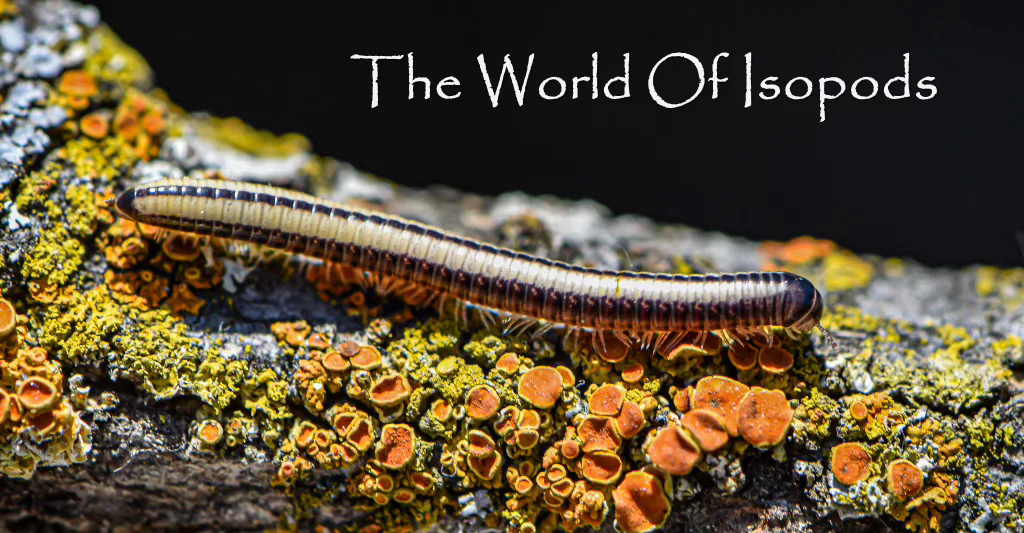
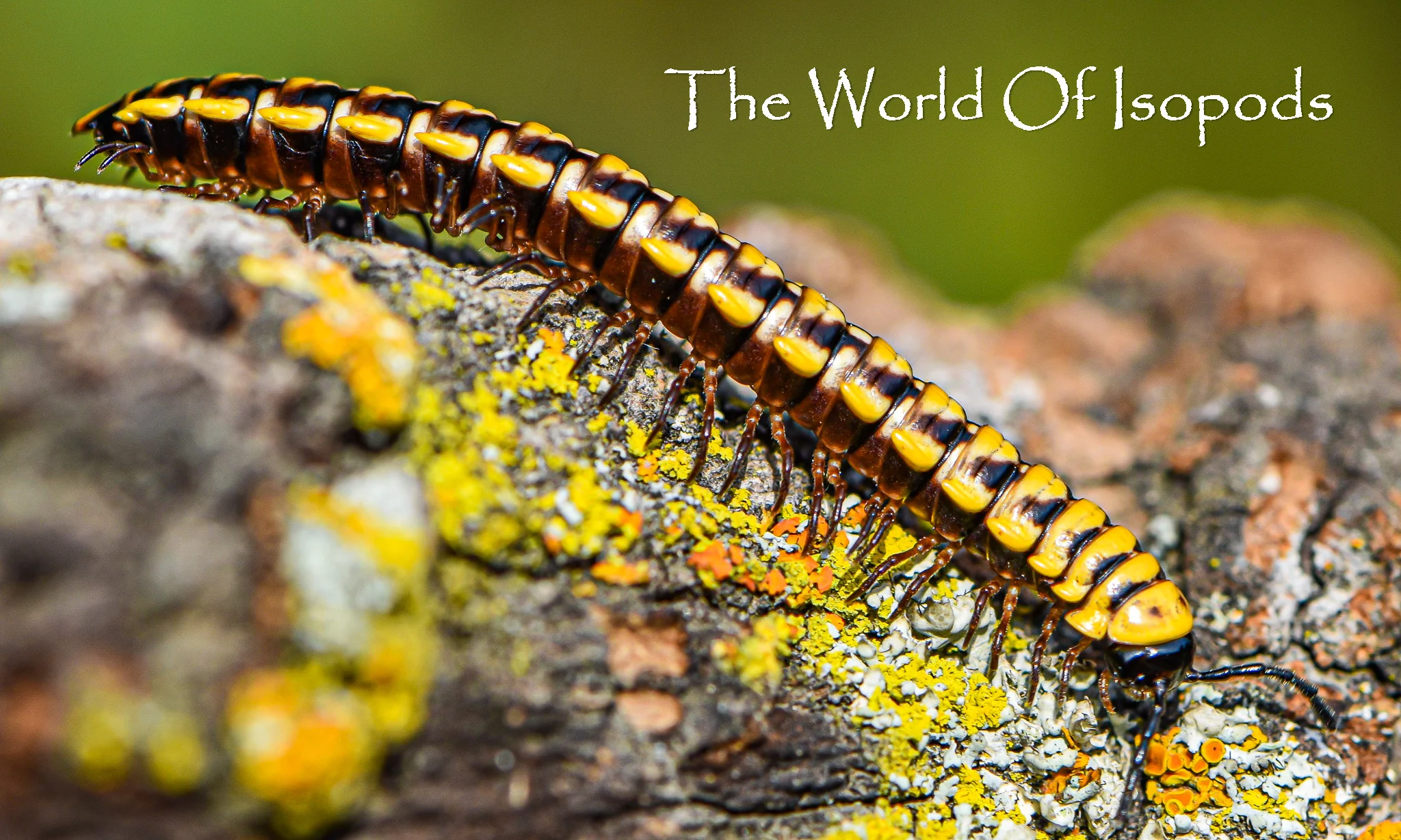
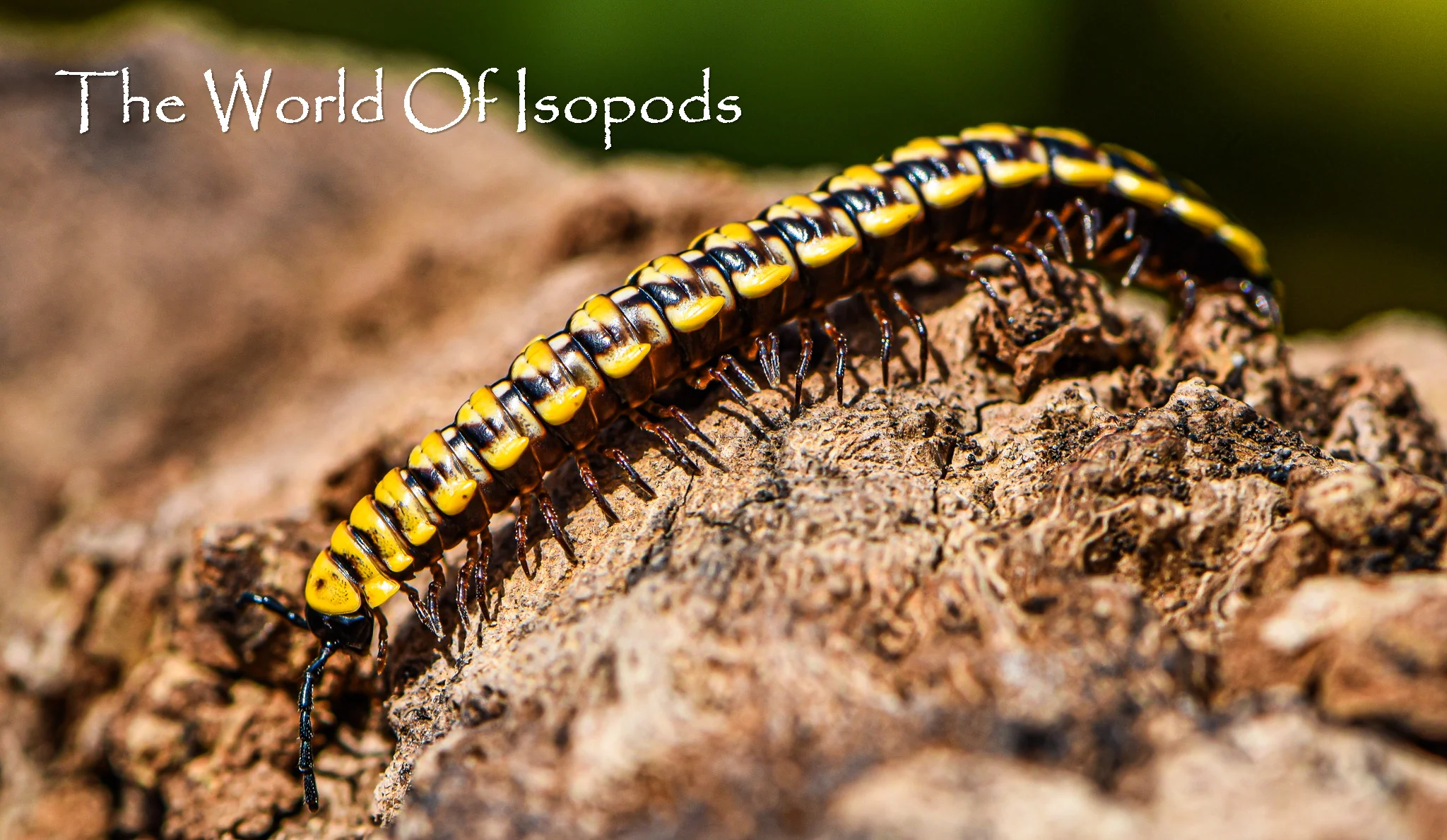
Thailand Yellow Dragon Millipedes are a brilliantly colored and highly sought-after species known for their intense neon-yellow bodies and dramatic “dragon-like” silhouette. Scientifically identified as Antheromorpha uncinata, they are native to Thailand’s humid forest regions, where they inhabit leaf-litter-rich environments.
Their nickname comes from the pronounced, spiked lateral extensions (paranota) along each body segment. These flared edges create a fierce, armored appearance—almost like tiny dragons—while their vibrant yellow coloration serves as a natural warning signal to predators in the wild.
Care Info
-
Organic topsoil (no fertilizers or chemicals)
-
Decaying hardwood (white rotted wood preferred)
-
Crushed leaf litter
-
Sphagnum moss mixed in for moisture
- Eating Yams and fish flakes
The substrate should make up the majority of their diet, so it must contain decomposing wood and leaves—not just soil.
(Please Read Shipping Policy Tab)
Product Information
Product Information
Shipping & Returns
Shipping & Returns
Yellow Dragon Millipede
Yellow Dragon Millipede
Thailand Yellow Dragon Millipedes are a brilliantly colored and highly sought-after species known for their intense neon-yellow bodies and dramatic “dragon-like” silhouette. Scientifically identified as Antheromorpha uncinata, they are native to Thailand’s humid forest regions, where they inhabit leaf-litter-rich environments.
Their nickname comes from the pronounced, spiked lateral extensions (paranota) along each body segment. These flared edges create a fierce, armored appearance—almost like tiny dragons—while their vibrant yellow coloration serves as a natural warning signal to predators in the wild.
Care Info
-
Organic topsoil (no fertilizers or chemicals)
-
Decaying hardwood (white rotted wood preferred)
-
Crushed leaf litter
-
Sphagnum moss mixed in for moisture
- Eating Yams and fish flakes
The substrate should make up the majority of their diet, so it must contain decomposing wood and leaves—not just soil.
(Please Read Shipping Policy Tab)
Original: $40.00
-65%$40.00
$14.00Product Information
Product Information
Shipping & Returns
Shipping & Returns
Description
Thailand Yellow Dragon Millipedes are a brilliantly colored and highly sought-after species known for their intense neon-yellow bodies and dramatic “dragon-like” silhouette. Scientifically identified as Antheromorpha uncinata, they are native to Thailand’s humid forest regions, where they inhabit leaf-litter-rich environments.
Their nickname comes from the pronounced, spiked lateral extensions (paranota) along each body segment. These flared edges create a fierce, armored appearance—almost like tiny dragons—while their vibrant yellow coloration serves as a natural warning signal to predators in the wild.
Care Info
-
Organic topsoil (no fertilizers or chemicals)
-
Decaying hardwood (white rotted wood preferred)
-
Crushed leaf litter
-
Sphagnum moss mixed in for moisture
- Eating Yams and fish flakes
The substrate should make up the majority of their diet, so it must contain decomposing wood and leaves—not just soil.
(Please Read Shipping Policy Tab)